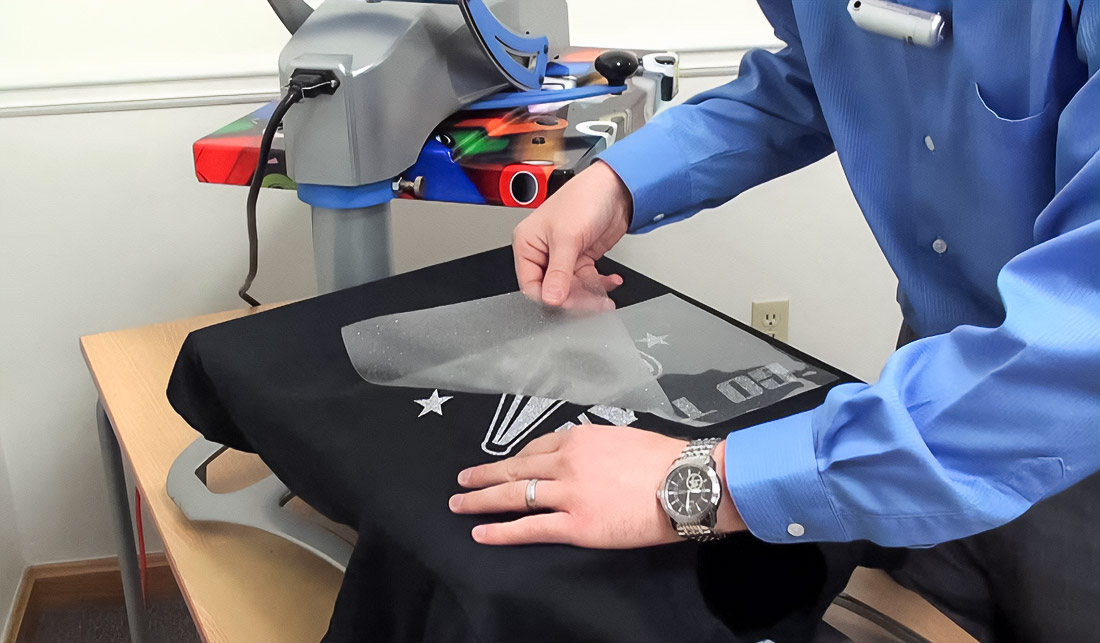
Creating a sustainable Direct-to-Film brand is not difficult if you combine technology, a clear niche and discipline.DTF printing produces vibrant and durable prints on cotton, polyester, and blends. The minimum entry threshold remains modest. Real starts are in the range of $2,000-$8,000, and the return on investment often comes in 3-6 months. A competitive advantage is born of quality, speed, and a clear offer.
Branding And Niche
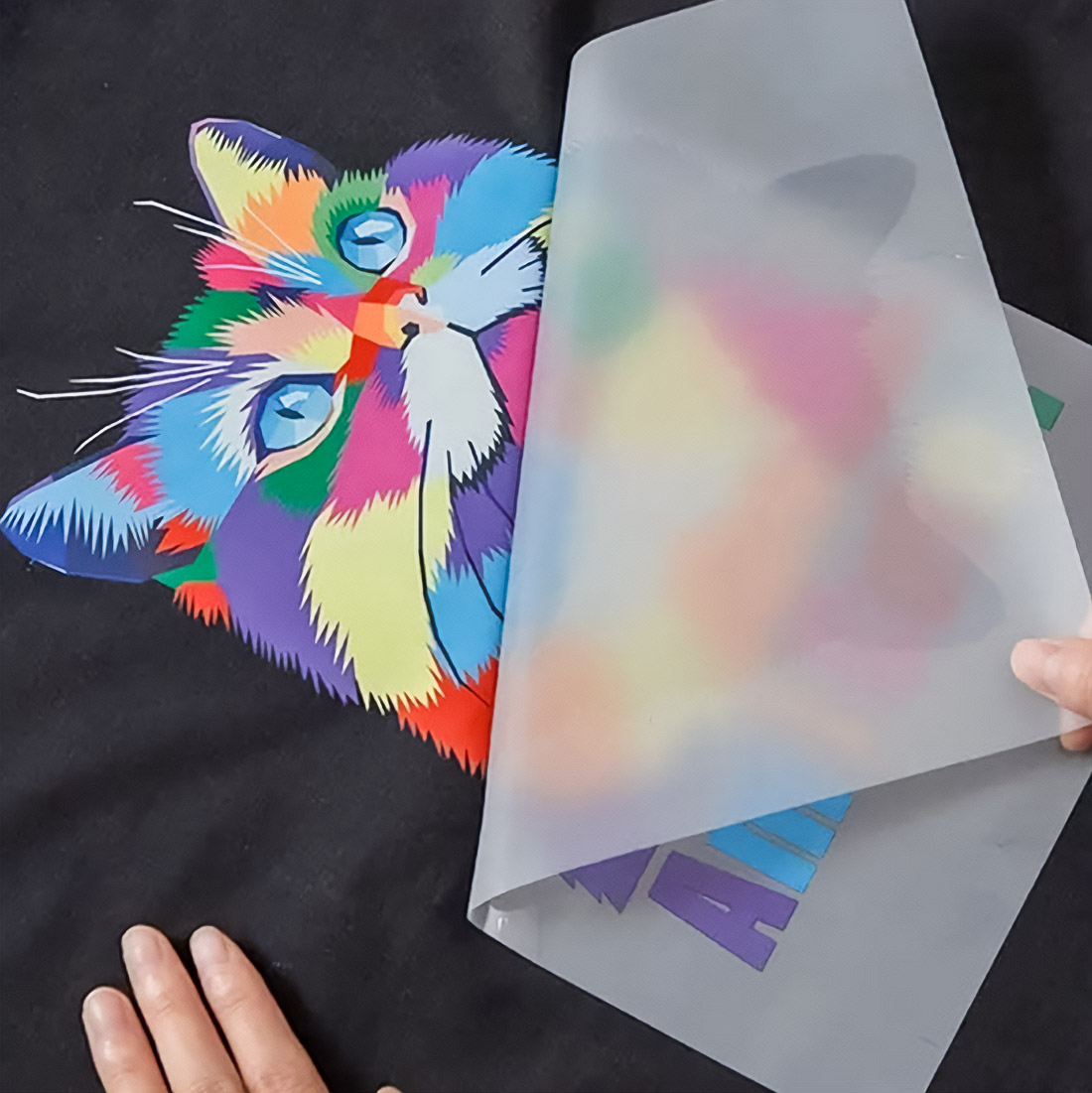
Define the brand’s mission and voice. It is important for the buyer to understand why you are printing. Formulate a value without vague promises. Niche works better than broad promises. Teachers, sports, pets, and seasonal collections are steadily growing. Small projects reached 15,000-20,000 dollars per month in about six months. Short limited drops and clear promises of quality help. The brand is enhanced by storytelling, packaging, care instructions and careful presentation on social media. Connect micro-influencers. Their audience is more engaged, and the cost is lower. Strengthen your website through SEO. Post cases, guides, and answers to frequently asked questions. Allocate 10-15 percent of monthly revenue to advertising. Count the ROI, don’t just chase clicks.
Production And Quality Control
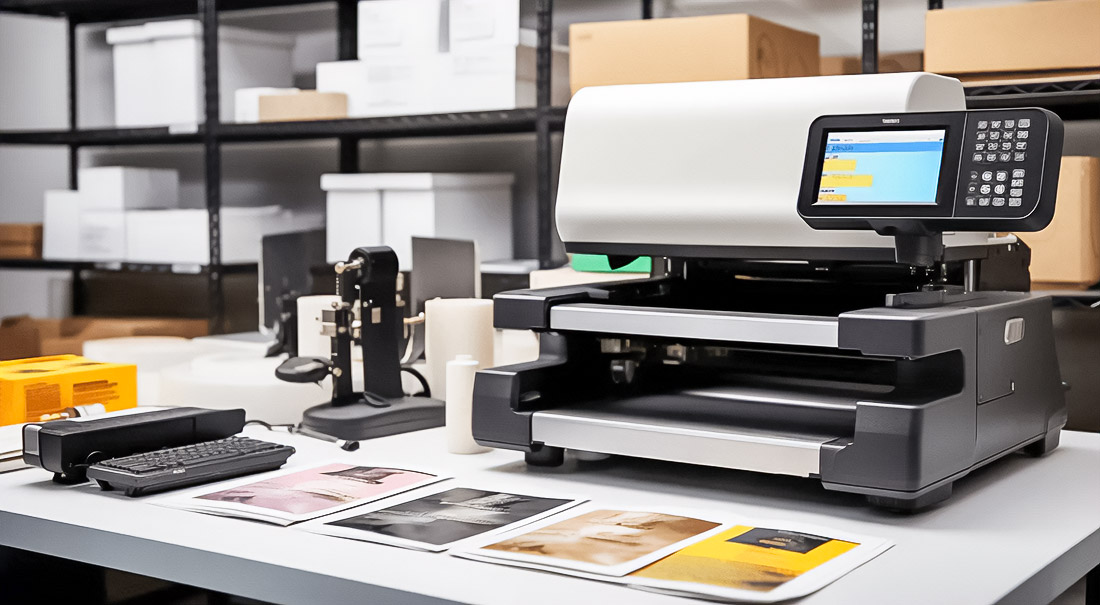
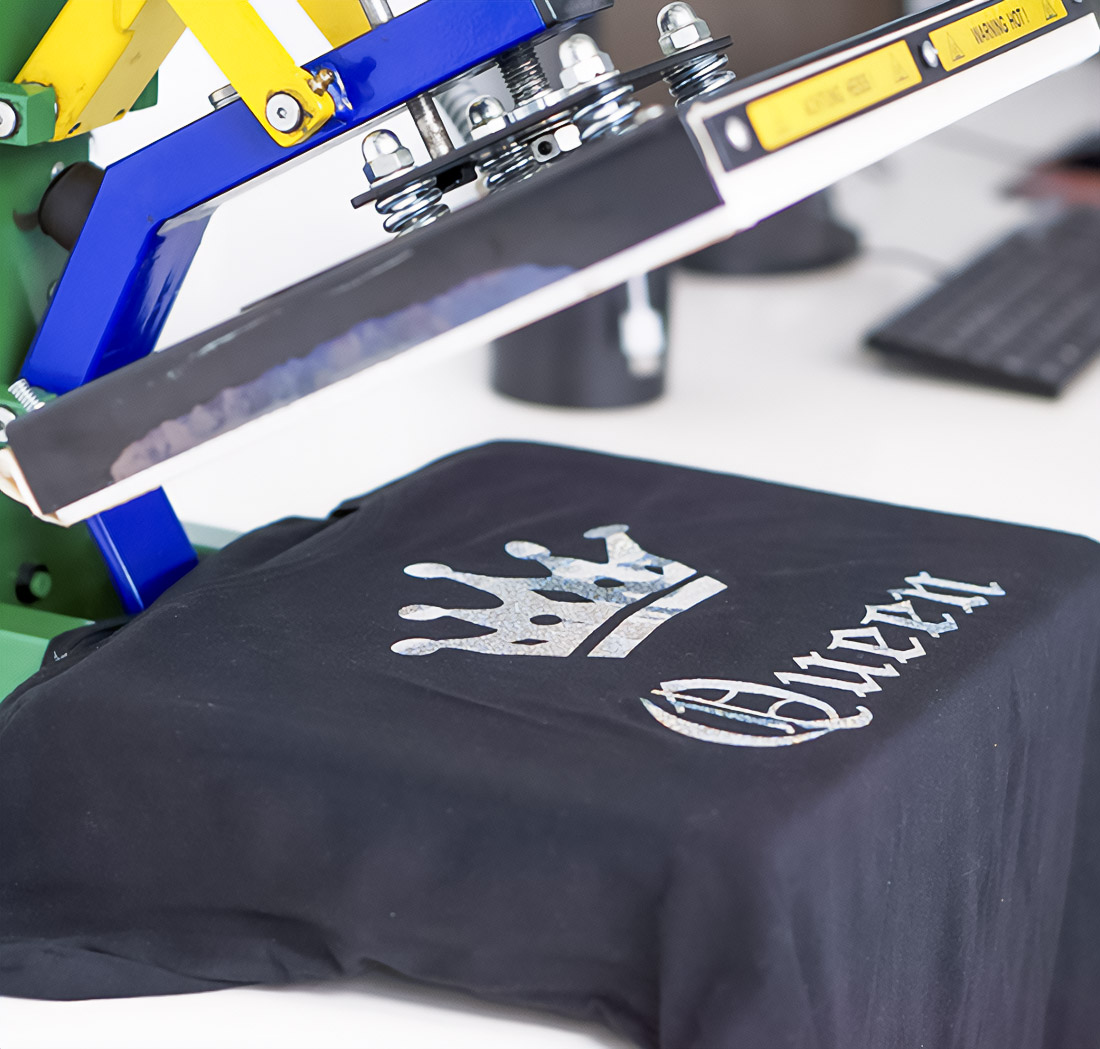
The technological base is based on a heat press, PET film, adhesive powder and color calibration. Break the process into parallel steps. Layout preparation, film printing, dusting, baking, transfer. This flow increases productivity and reduces waste. The SOP standards record time, temperature, and pressure parameters. Enter the QC checkpoints before pressing and before shipping. Gang sheet saves materials and speeds up design tests. For special effects, connect UV DTF and special finishes if the audience appreciates the premium look. Supply stability is important for stable margins. Consider the stock of film and powder, alternative suppliers, and transparent deadlines. With a local print partner, the time frame of 24-48 hours looks convincing. Importing often takes 1-2 weeks.
Economics, Scaling, And Loyalty
You consider not only the cost, but also the perceived value. It is worth testing the price model with packages, upsell and volume bonuses. Seasonal drops and capsules keep the turnover going. Loyalty programs provide repeat purchases. Points, early access, personal promo codes. At the same time, strengthen your position through quality. 60 percent of buyers in the United States are willing to pay more for local production. It is convenient to justify this by speed, service, and predictability. The market for custom textiles is aiming for 8.2 billion by 2028. This means that there will be enough attention for everyone who works in a disciplined manner. Scaling begins with inventory planning, demand forecasting, and automation of operations. Upgrade the presses, speed up baking, and remove bottlenecks. Keep an eye on the metrics. Site conversion rate, average receipt, cycle time, percentage of returns. Make decisions based on data, not emotions.
There are always three pillars at the center of the strategy. Crystal clear niche, impeccable production flow and consistent marketing. DTF printing allows you to quickly validate ideas. Gang sheet reduces the price of the test. Heat press ensures the predictability of the transfer. UV DTF and neat color management create a visible wow effect. When we control each stage, the brand begins to breathe more confidently. And customers come back for a new capsule because they know what to expect.
Add customer care to the persistent technology. Signatures to orders, quick responses, fair deadlines and clear exchange rules. Then the direct numbers add up to a story that you want to share. And the small workshop turns into a recognizable brand, where design, quality and speed sound with one voice.